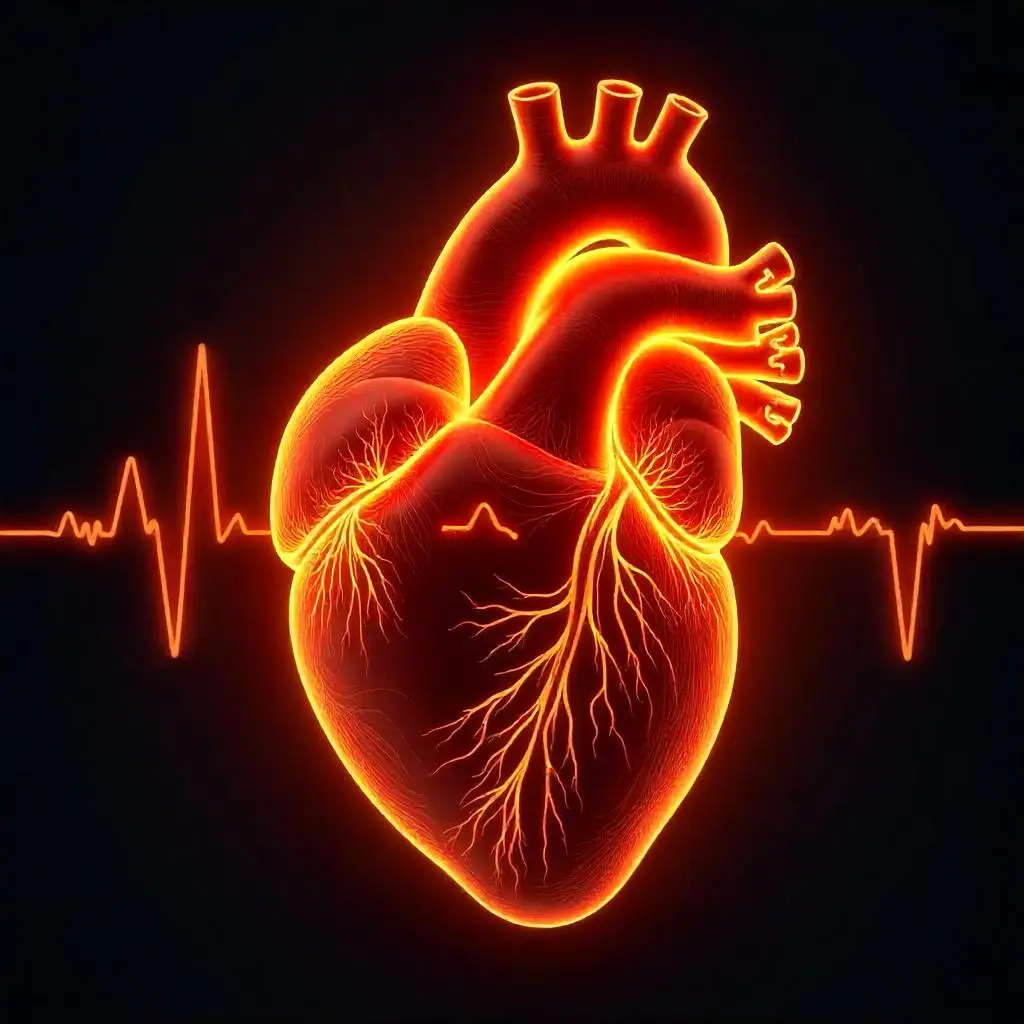
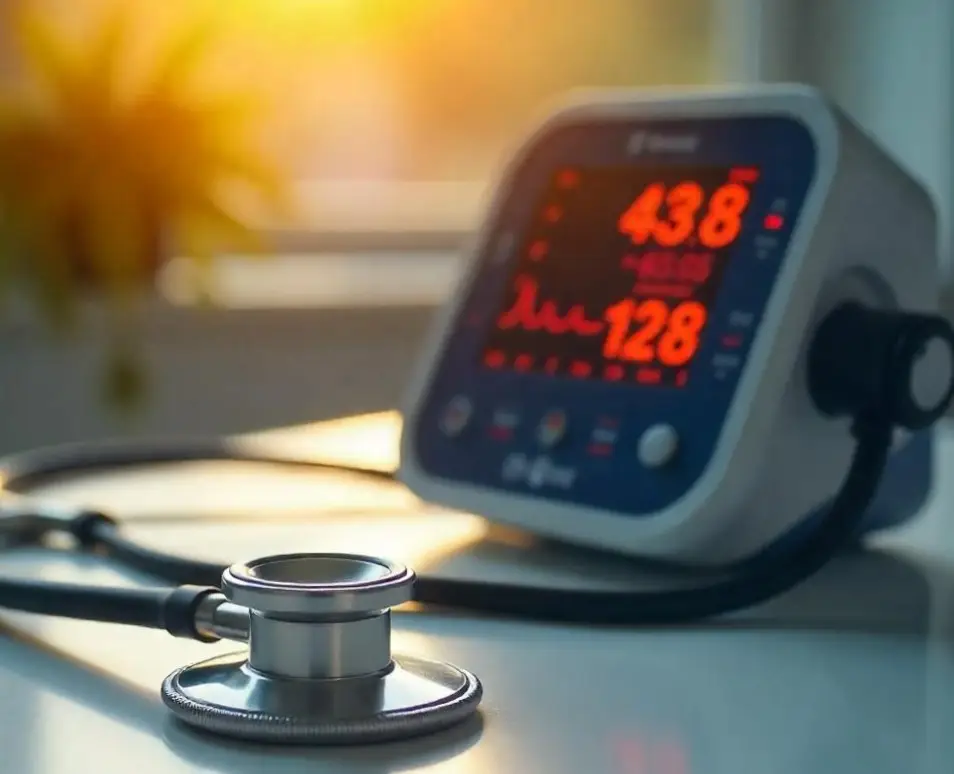
Hypertension: the silent killer, or high blood pressure, occurs when the force of blood against your artery walls is consistently too high. A normal blood pressure reading is below 120/80 mmHg. Hypertension is typically defined as:
Stage 1 Hypertension: 130–139/80–89 mmHg
Stage 2 Hypertension: 140+/90+ mmHg
Left unmanaged, this pressure strains your heart and damages your blood vessels.
Why is Hypertension Called the Silent Killer?
Unlike many diseases, hypertension often has no symptoms at all. People may live for years unaware that their blood pressure is dangerously high. Meanwhile, it’s silently increasing the risk of:
Heart attacks
Strokes
Kidney failure
Vision loss
Aneurysms
Heart failure
By the time symptoms like headaches, shortness of breath, or nosebleeds occur — the condition may already be severe or life-threatening.
Who Is at Risk?
Anyone can develop hypertension, but some are at higher risk:
Adults over 40
People with a family history of high blood pressure
Smokers
Individuals with poor diets (especially high sodium intake)
People who are overweight or obese
Sedentary individuals
Those with high stress levels or excessive alcohol use
How to Detect Hypertension Early?
Early detection is easy — if you check your blood pressure regularly. A simple arm cuff reading at a clinic, pharmacy, or even home device can tell you your numbers. Doctors recommend annual checks for all adults, and more frequent monitoring for those at risk.
Can Hypertension Be Prevented or Controlled?
Yes — with lifestyle changes and sometimes medication, hypertension can be managed or even reversed.
💡 Prevention and Management Tips:
Eat a heart-healthy diet (DASH or Mediterranean diet)
Reduce salt and processed food intake
Exercise at least 30 minutes, 5 days a week
Maintain a healthy weight
Avoid smoking and limit alcohol
Manage stress through mindfulness, sleep, or therapy
Take prescribed medications consistently
Conclusion:
Hypertension is sneaky. It gives no warning, yet it claims millions of lives every year. But the good news? It’s detectable, treatable, and often preventable. Don’t let silence be deadly. Know your numbers. Get checked. Take control of your heart health — before it’s too late.