medical laboratory science

Illustration of laboratory pipetting and an RPR card, titled The Prozone Effect: When antibody excess hides a reaction.

Prozone Effect in RPR Testing: An ASCP Study Guide

Prozone Effect in RPR Testing: An ASCP Study Guide Can excess antibody make a test appear negative? Yes—the prozone effect is an important example. Why it happens Rapid plasma reagin (RPR) testing depends on visible flocculation. When antibodies are excessive, they can interfere with the cross-linking needed to produce a visible reaction. An undiluted specimen

Prozone Effect in RPR Testing: An ASCP Study Guide Read More »

, , , ,

Liver vs Intestinal Flukes: Key Differences for MLS Exams

Liver vs Intestinal Flukes: Key Differences for MLS Exams Liver vs intestinal flukes is a useful parasitology comparison for MLS students: similar exposure routes and eggs can conceal different adult habitats. This guide focuses on Fasciola hepatica, Fasciola gigantica, and Fasciolopsis buski. Liver vs intestinal flukes: quick comparison Parasite Adult habitat Adult length Fasciola hepatica

Liver vs Intestinal Flukes: Key Differences for MLS Exams Read More »

, , , , , , ,

CSF Differential With Fewer Than 100 Cells: A Practical Reporting Guide

A cerebrospinal fluid (CSF) differential is ideally based on 100 identifiable nucleated cells—but low-cellularity specimens do not always provide that many. When the entire usable cytospin area contains fewer than 100 cells, the correct response is not to invent, duplicate, or “round up” cells. Count the cells that are actually present, document the denominator, and

CSF Differential With Fewer Than 100 Cells: A Practical Reporting Guide Read More »

, , , , , , ,
Medical laboratory professionals reviewing the new Abu Dhabi laboratory scope of practice

New Abu Dhabi Medical Laboratory Scope of Practice: What MLS Staff Need to Know

Abu Dhabi’s new laboratory scope of practice takes effect in October 2026. Learn what it means for MLS competency, QC, validation, reporting, and audits.

New Abu Dhabi Medical Laboratory Scope of Practice: What MLS Staff Need to Know Read More »

, , , , , , ,
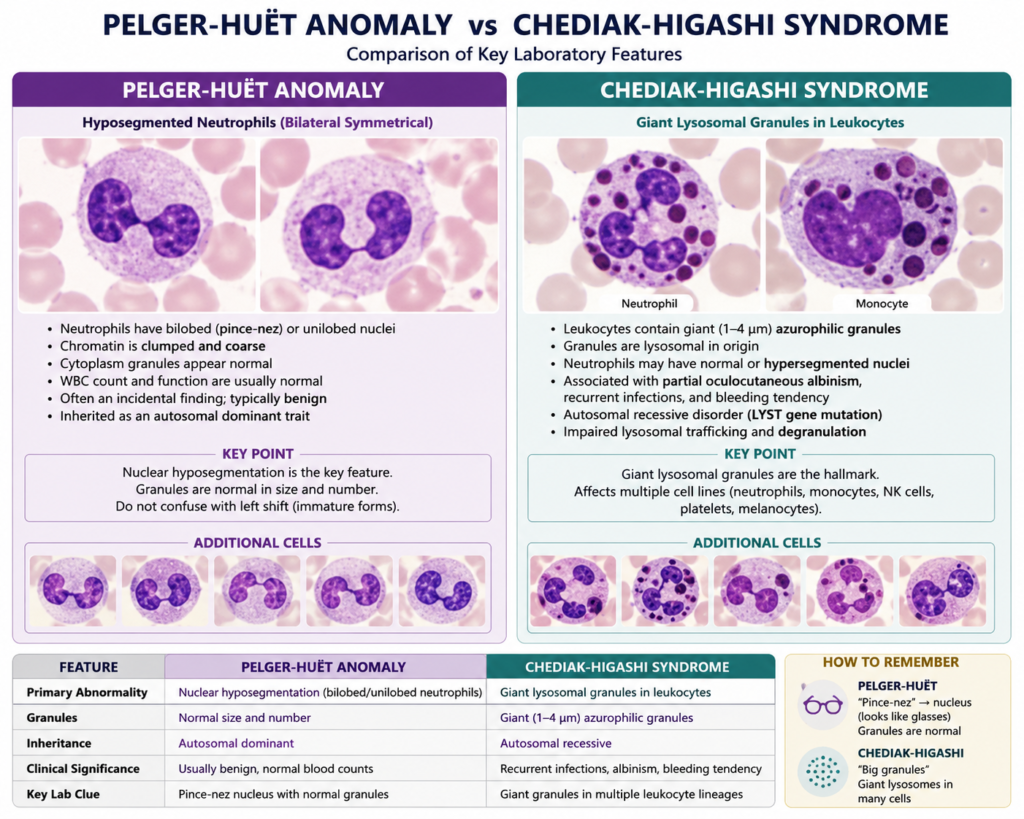
White Blood Cells Clues

White Blood Cell Clues That Change the Differential: Laboratory Insights on WBC Disorders

White Blood Cell Clues That Change the Differential: Laboratory Insights on WBC Disorders White blood cell abnormalities can often raise concern during a peripheral blood smear review, but it’s important to remember that a single unusual cell or lab value should rarely be interpreted on its own. A more reliable approach is to look at

White Blood Cell Clues That Change the Differential: Laboratory Insights on WBC Disorders Read More »

, , , , , ,
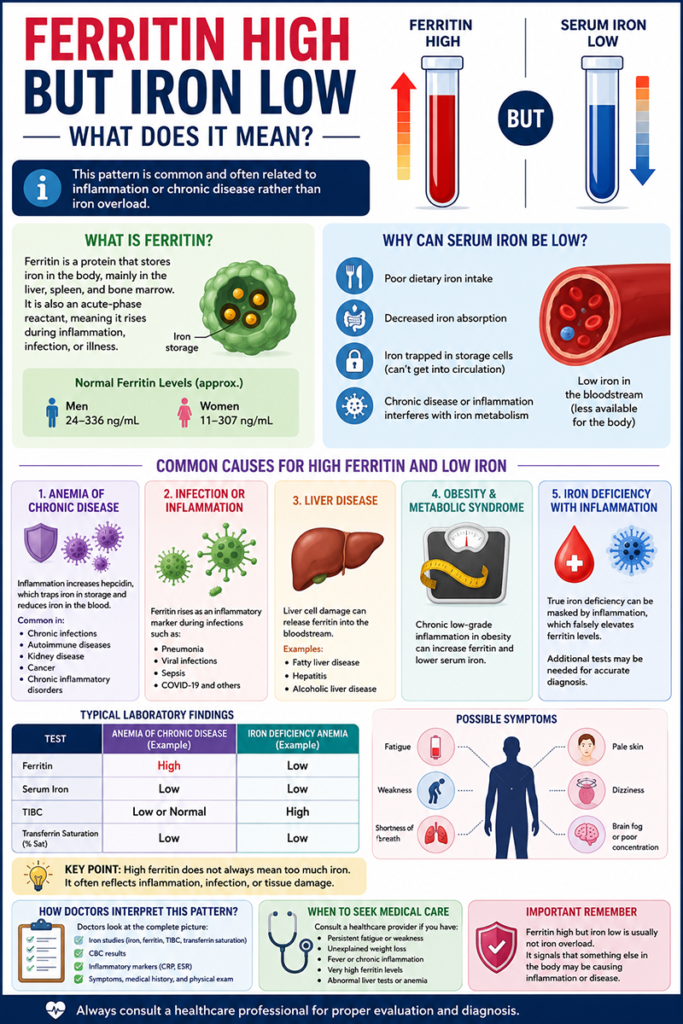
High Ferritin with low Iron l

High ferritin levels with low iron: Causes, Symptoms & Interpretation

Ferritin High but Iron Low — What Does It Mean? Iron studies can sometimes produce confusing results. One of the most misunderstood patterns is when ferritin is elevated but serum iron is low. At first glance, this combination may seem contradictory. However, it actually happens in several medical conditions and often points toward inflammation or

High ferritin levels with low iron: Causes, Symptoms & Interpretation Read More »

, , , , , , , ,
Scroll to Top